Apart from Dental Bridges: Why Dental Implants stand as the Better Option


In the present time, the pursuit of a perfect smile goes beyond conventional methods. For those who have experienced the loss of teeth, dental implants have emerged as a groundbreaking option that not just enhances beauty and also improves overall oral health. Compared to dentures or bridges, dental implants offer a lasting fix that replicates the function of natural teeth, providing support and comfort. As innovations continue to reshape the field of dentistry, more patients are choosing dental implants for their superior benefits.
This article explores the wide-ranging advantages of dental implants, addressing common questions and issues related to their application. From understanding what dental implants are and how they work to exploring the procedures involved, we aim to provide a thorough overview for anyone contemplating this transformative dental solution. Whether you’re curious about the future gains, monetary considerations, or the recovery period post-surgery, we have you covered. Join us as we explore why dental implants may be the best solution for you, boosting not just your smile, but also your self-esteem and overall life quality.
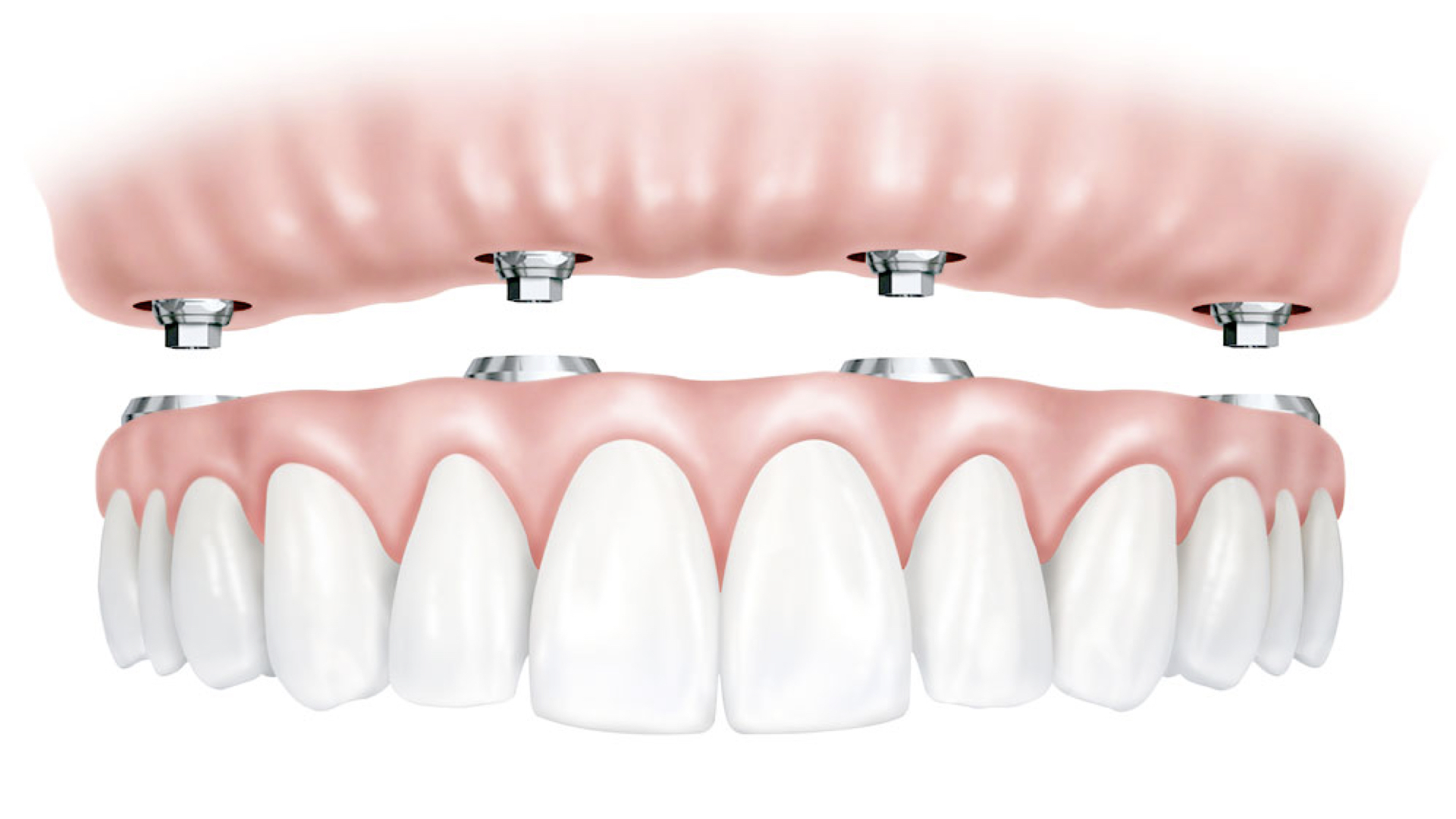
Understanding Dental Implants
Dental implants are cutting-edge dental technologies developed to substitute for missing dental structures, mimicking the natural tooth structure. They consist of three main components: the post, which is usually made of titanium and serves as a substitute for the tooth foundation; the abutment, which connects the post to the crown; and the crown, which is the top part of the tooth that recreates functionality and aesthetics. This combined approach offers a secure and durable solution for tooth loss, allowing people to regain their ability to eat, speak, and smile confidently.
The procedure of getting dental implants begins with a detailed evaluation to determine the suitability of the patient. This involves evaluating the jawbone's health, as adequate bone density is crucial for effective implant placement. If there is inadequate bone, methods like bone grafting may be required before the implant can be placed. Once the area is prepared, the oral surgeon procedurally places the post into the jawbone, where it goes through osseointegration—a process that allows the post to fuse with the bone over time, ensuring permanent stability.
Dental implants provide many advantages over traditional tooth replacements like dentures and fixed prosthetics. They offer greater comfort, discreetness, and a authentic appearance, allowing patients to maintain their oral health without the hassles associated with dentures and bridges. Furthermore, implants help curb bone loss, which is frequently a result of missing teeth. As more patients recognize these advantages, the popularity of dental implants keeps to increase, making them a preferred option for tooth replacement.
Benefits Over Traditional Options
A major advantages of dental implants compared to traditional options like dentures and bridges is their durability. Dental implants are designed to integrate with the jawbone, offering a stable and secure foundation that can endure decades with proper care. In contrast, dentures may shift and become uncomfortable, and bridges can need periodic replacements or adjustments. For many patients, this longevity translates to peace of mind, understanding that their investment will be worthwhile over time.
An additional major benefit is the enhancement in oral health that dental implants provide. Unlike traditional bridges, which require the filing of adjacent teeth for support, implants do not affect neighboring healthy teeth. Additionally, dental implants help in maintain the jawbone structure by stopping bone loss that typically occurs after tooth loss. This preservation of bone density is crucial for upholding the overall shape and integrity of the face, which traditional options fail to consider.
Moreover, dental implants enhance daily activities, such as chewing and speaking. Patients with dentures often face challenges related to stability and comfort, leading to difficulties in enjoying their favorite foods or speaking clearly. Implants perform just like natural teeth, allowing for greater confidence in daily activities. This advantage not only enhances quality of life but also boosts self-esteem, as individuals no longer need to worry about their dental appliance shifting or causing discomfort.
This Dental Implant Process and Care
The dental implant process starts with a detailed consultation and assessment by your dentist, who will check your oral health and decide if you are a suitable candidate. This step may include diagnostic tests such as X-rays or 3D scans to visualize the jawbone and prepare for the placement of the implants. If necessary, the dentist may perform procedures like bone grafting to ensure there is enough bone density to support the implant securely. Once everything is in place, the dentist will schedule the implant placement surgery.
During the implant surgery, a metal post is surgically inserted into the jawbone to serve as the root of the new tooth. After the post is inserted, a healing period is required for osseointegration, where the bone fuses with the implant, giving a firm foundation for the crown. This healing process can take several months. After osseointegration is finished, the dentist will attach a custom-made crown or prosthetic, providing a natural-looking and fully functional replacement for the missing tooth.
Post-operative care is essential for the long-term success of your dental implants. Following the surgery, patients should adhere to their dentist's aftercare instructions, which often include controlling pain with prescribed medication, maintaining good oral hygiene, and attending follow-up appointments. Additionally, routine dental check-ups are important to monitor the health of the implants and surrounding tissues. By paying https://kofoed-santos-3.mdwrite.net/why-teeth-implants-stand-as-a-future-of-dental-health to these aspects of care, patients can benefit from the advantages of dental implants for many years to follow.