Blocked Not More: Innovative Fixes for Blocked Drains


Clogged drains can be a homeowner's worst nightmare, disturbing daily activities and leading to high maintenance if left unchecked. Whether it is the kitchen sink failing to drain after a meal or the shower water pooling around your ankles, knowing the common reasons of these blockages is crucial for prevention and upkeep. Understanding how to spot the early signs of a potential obstruction can spare you time, money, and frustration before it becomes a significant issue.
This article will explore a variety of innovative solutions for unclogging pipes, from simple DIY methods to when it may be best to bring in a contractor. We will cover all aspects from natural remedies that can effectively clear blockages to the dangers of using harsh drain cleaners. Additionally, we will provide valuable tips on taking care of your drains to prevent future issues and discuss the tools and techniques that professionals utilize to tackle stubborn clogs. Together, we'll ensure that your drains stay unobstructed and running smoothly.
Understanding Blocked Drains
Clogged drains represent a common household issue that can lead to major complications when left untreated. Different elements play a role to this problem, including the accumulation of fur, grease, food scraps, and foreign materials. Eventually, these substances create obstructions which restrict the flow of liquid, resulting in lagging draining and spillage. Identifying the indicators of a potential clog early, like strange gurgling sounds or pooling water, is essential for avoiding more significant plumbing problems.
Preventing clogged pipes involves understanding the usual factors. Such as, in basins, fat from cooking can solidify within the tubes, while hair is a major factor in toilet pipes. Routine care habits like using sink covers, getting rid of waste properly, and avoiding sending down inappropriate objects can significantly lessen the risk of clogs. Being aware of these preemptive steps will help ensure that your drains stay clear and operational.
In some cases, continuous blockages can signal deeper issues such as tree roots penetrating tubes or old pipe systems. Although many homeowners try DIY clearing methods, it's essential to know when to call a specialist. Professionals use unique tools and techniques which can effectively tackle tough blockages without harming your plumbing. Understanding how clogged pipes happen and the best practices for avoiding and maintenance will help maintain your plumbing system in top shape.
Preventive Strategies
One of the most impactful ways to avoid clogged drains is through consistent maintenance. Homeowners should create a seasonal drain maintenance guide to ensure their plumbing systems are regularly checked. This includes cleaning out sink strainers and shower traps, which helps trap hair and food particles before they can cause a blockage. Additionally, dumping boiling water down drains can help break down minor build-up and keep the pipes open.
Another essential aspect of preventing clogs is being cautious of what you send down your drains. For kitchen sinks, avoiding the washing of grease, coffee grounds, and fibrous foods can significantly reduce the risk of obstructions. In bathrooms, using drain screens can catch hair and soap residue, which are frequent culprits in drain clogs. Drain unblocking , combined with these basic safeguards, can make a significant difference in maintaining clear drains.
For those with outdoor drains, regular inspection and cleaning are vital, especially during fall when leaves and debris can pile up. Ensuring that gutters and downspouts are clear of obstructions also helps avoid water from pooling and causing drainage issues. By putting in place these preventative measures, homeowners can save themselves the hassle and cost related to clogged drains.
Clearing Methods
When faced with a clogged drain, there are multiple methods you can apply to restore normal flow. One popular DIY method is utilizing a mixture of baking soda and vinegar. Start by adding half a cup of baking soda down the drain, followed by half a cup of vinegar. Allow this combination to sit for about 30 minutes, then flush with hot water. This approach can effectively break down small clogs caused by grease or soap scum buildup.
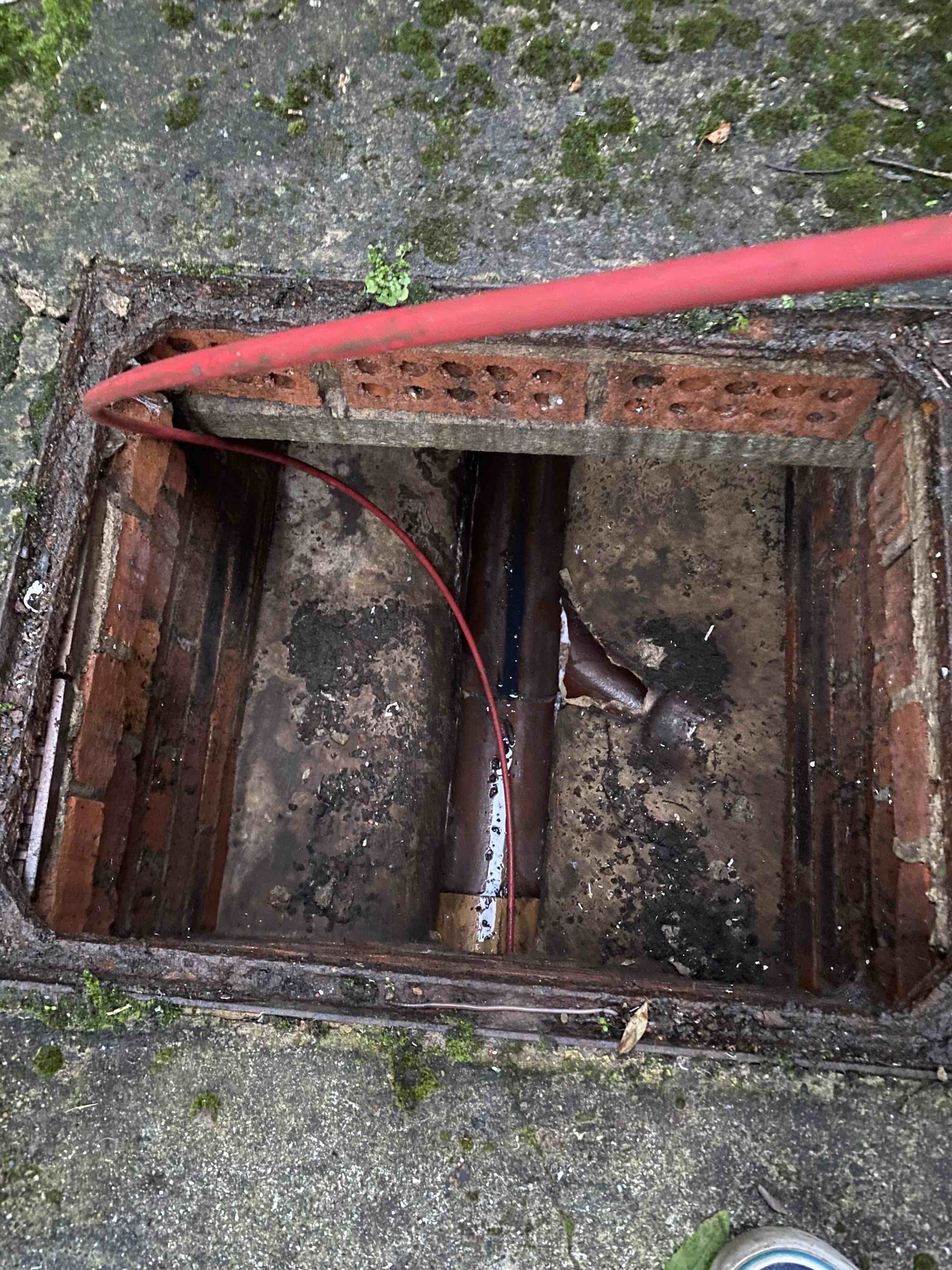
For tougher blockages, a drain snake can be a handy tool. This long, flexible auger can reach deep into your plumbing system and remove hair, debris, and other blockages that may be inaccessible. Insert the snake into the drain and twist it to grasp the clog, then pull it out gently. This method is usually much more successful than relying solely on harsh cleaners.
In cases where the clog continues or is particularly severe, professional plumbing services may be needed. Experts have access to advanced tools like hydro jetting and drain cameras that can effectively clear blockages and detect underlying issues. Using these services not only addresses the immediate problem but also contributes to long-term drain health, ensuring your plumbing system is kept in top condition.