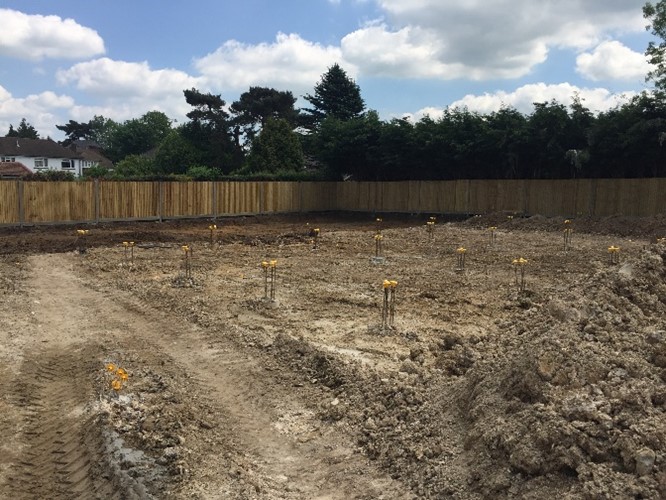
Dominating Deep Foundation Methods for Green Construction


In the constantly changing landscape of construction, the significance of foundational methods cannot be dismissed. Among the various methods employed, piling foundations are prominent as a key aspect of ensuring the stability and endurance of structures, especially in problematic soil conditions. Understanding what piling foundations are and their significance is crucial for anyone involved in the construction industry or working on a building project.
This guide aims to deliver insights into the world of piling foundations, providing a comprehensive overview that ranges from the introductory concepts to the advanced techniques. Whether you are a starter in construction or a experienced engineer, understanding piling techniques is vital for eco-friendly building practices. Join us as we investigate the multiple types, methods of installation, and the latest innovations in piling technology, paving the way for resilient structures that can withstand the test of time.
Grasping Pile Foundations
Piling foundations are a critical aspect of civil engineering used to underpin structures, notably in problematic soil conditions. Such foundations involve the placement of long, thin columns, known as piles, which are inserted deep into the ground to reach a reliable layer of soil or rock. By shifting the load of a building through less stable soil layers down to stronger materials below, pile foundations provide the crucial support for construction projects, particularly for massive structures such as high-rise buildings or overpasses.
The significance of piling foundations cannot be emphasized enough. They are especially helpful in areas where the surface soil is unable to supporting the weight of a structure. Without proper support, buildings can experience problems such as uneven settling, which can lead to edifice failure over time. Piling foundations also enhance the stability of a structure, guaranteeing that it can endure environmental factors like wind and seismic activity. Moreover, they are crucial in coastal construction, where soil conditions can be especially challenging due to water saturation.
Different types of piles can be used based on the specific requirements of a project. For roofers kildare , hammered piles are often used in construction where speedy installation is needed, while drilled piles are suitable for sensitive environments since they create minimal disturbance in the soil. Understanding which type of piling is appropriate for a given situation is key to effective foundational work, as it can materially impact the durability and safety of the building being constructed.
Types and Benefits of Piling
Piling bases are crucial for a selection of building projects, notably in areas where ground conditions are poor. There are multiple types of piling, comprising driven foundations, bored piles, and small piles. Driven piles are constructed by hammering a long column of material, such as metal or concrete, deep into the ground, which makes them suitable for heavy loads and challenging soil conditions. Bored piles, in opposition, involve boring a hole into the ground and then filling it with concrete, providing versatility and exactness for intricate projects. Mini piles and micro piles are smaller options that cater to constrained site conditions, allowing for effective support in tight spaces.
The choice of pile type influences not only the construction process but also the effectiveness of the building. For instance, driven piles are often preferred for their quickness of installation and cost-effectiveness, while bored piles offer flexibility to challenging soil structures. Each type of pile is selected based on factors such as weight support capability, soil conditions, and site restrictions. Additionally, custom piles, like helical piles, are designed for specific challenges, such as seismic or variable environments, making them indispensable for certain uses.
Using piling foundations offers multiple benefits to construction projects. They significantly enhance the stability of structures, handle the forces of loads efficiently, and minimize the risk of settlement, especially in unstable soil conditions. Moreover, piling foundations can increase the longevity of buildings by providing a reliable base that supports various environmental stresses. As innovative piling technologies evolve, the benefits of these systems continue to expand, making them a key consideration in contemporary sustainable construction practices.
Piling Installation and Technology
The installation of piling foundations is a critical step in ensuring the structural integrity of structures, especially in areas with poor soil conditions. The process begins with site assessment, where geotechnical engineers analyze soil types, bearing capacities, and groundwater levels. This information informs the selection of the appropriate piling method, either it be driven piles, which are hammered into the ground, or bored piles, which are excavated and filled with concrete. Each method has its pros based on the specific project requirements, including factors such as noise reduction, vibration concerns, and time constraints.
Advancements in piling technology have greatly improved the efficiency and effectiveness of installation processes. For example, the introduction of automated piling machines and specialized drilling equipment has optimized operations, reducing both the time and labor costs involved. Additionally, developments like hydraulic piling hammers and sonic drilling techniques enhance the precision and reliability of pile installation. These technologies not only contribute to quicker project turnaround times but also improve overall safety on construction sites by minimizing the risks associated with traditional piling methods.
Proper installation is supported by rigorous testing to ensure the piles can withstand the expected loads. Techniques such as pile load testing provide engineers with critical data on a pile's performance, helping to identify any flaws before the building process progresses further. As concerns about sustainability grow, the prospects of piling foundations will likely see even more integration of eco-friendly materials and practices, ensuring that these foundations not only provide stability and strength but also conform to sustainable construction goals.