Drill Smart: The Way Directional Boring is Transforming the Game


Lately, the infrastructure and utility implementation landscape has seen a major transformation, largely due to the introduction of horizontally guided drilling. This innovative technique has revolutionized the way schemes are performed, particularly in difficult environments where traditional methods simply are unable to compete. With its ability to minimize surface disruption and improve efficiency, directional drilling is swiftly turning into the primary solution for construction projects in urban areas, transportation intersections, and environmentally sensitive regions.
As metropolises grow and the need for dependable utilities increases, the need for advanced techniques that can effectively blend into current environments is essential. https://nilsson-kenney.technetbloggers.de/traversing-the-depths-the-future-of-guided-boring-methods drilling not just supports a wide array of applications—from fiber optic deployment to gas infrastructure and green energy developments—but also provides substantial benefits, including reduced project downtime and greater safety. In this article, we will explore the various advantages of directional drilling, consider its main procedures, and emphasize the key factors that contribute to successful implementation in contemporary construction undertakings.
Benefits and Uses of Directional Boring
Directional boring offers a variety of merits that simplify construction and installation processes while lessening environmental impact. One of the main pros is the ability to install utility lines without the need for large-scale surface disruption. This technique allows for the exact placement of pipelines, cables, and other infrastructure beneath existing structures, roads, and landscapes, protecting the integrity of the surface environment. As cities continue to grow, directional boring becomes vital in urban settings, where traditional trenching would lead to substantial disruption and inefficiencies.
In addition to its land-conserving attributes, directional drilling boosts project efficiency. The method allows for faster installations, shortening overall project timelines and associated costs. For instance, when installing fiber optic lines or gas pipelines, using directional boring can greatly decrease the time required to complete the task compared to conventional methods. This efficiency is crucial in meeting the demands of modern infrastructure development while adhering to strict project deadlines, particularly in densely populated areas where room and time are at a premium.
The applications of directional drilling extend across multiple sectors, including water and sewer line installations, telecommunications, and renewable energy infrastructure. Each use benefits from the flexibility and precision that directional drilling provides. Utility companies and contractors often utilize this method for its potential to work around complex underground structures and different ground conditions. As technology and techniques continue to evolve, the potential for directional drilling to fulfill diverse infrastructure needs will only grow, confirming its role as a modern solution for utility installation challenges.
Comparative Review: Directional Drilling versus Traditional Techniques
Directional drilling represents a significant advancement compared to traditional digging methods, particularly in urban environments in which space is limited. While traditional methods involve excavating trenches that can interrupt roadways and surroundings, horizontal boring allows for the placement of utilities without significant surface excavation. This reduces the effect on existing facilities and diminishes the requirement for road blockages, a factor that is a major benefit in highly populated areas.
Regarding effectiveness, directional boring frequently yields reduced construction durations. Conventional digging can require extensive setups and rehabilitation processes, including repaving streets and restoring vegetation. Conversely, horizontal drilling can be performed rapidly and permits for the installation of various infrastructure at once with minimal surface disruption. This not only saves time but also contributes to significantly lowering total project costs.
Moreover, directional drilling provides a degree of accuracy that is difficult to attain with conventional digging techniques. This enables workers to maneuver around existing facilities, avoiding possible harm while preserving the integrity of the surrounding environment. Such accuracy is particularly advantageous in complex assignments such as projects involving fiber cables or gas lines, in which accurate placement is essential for sustainable operation and security.
Emerging Trends and Considerations in Horizontal Drilling
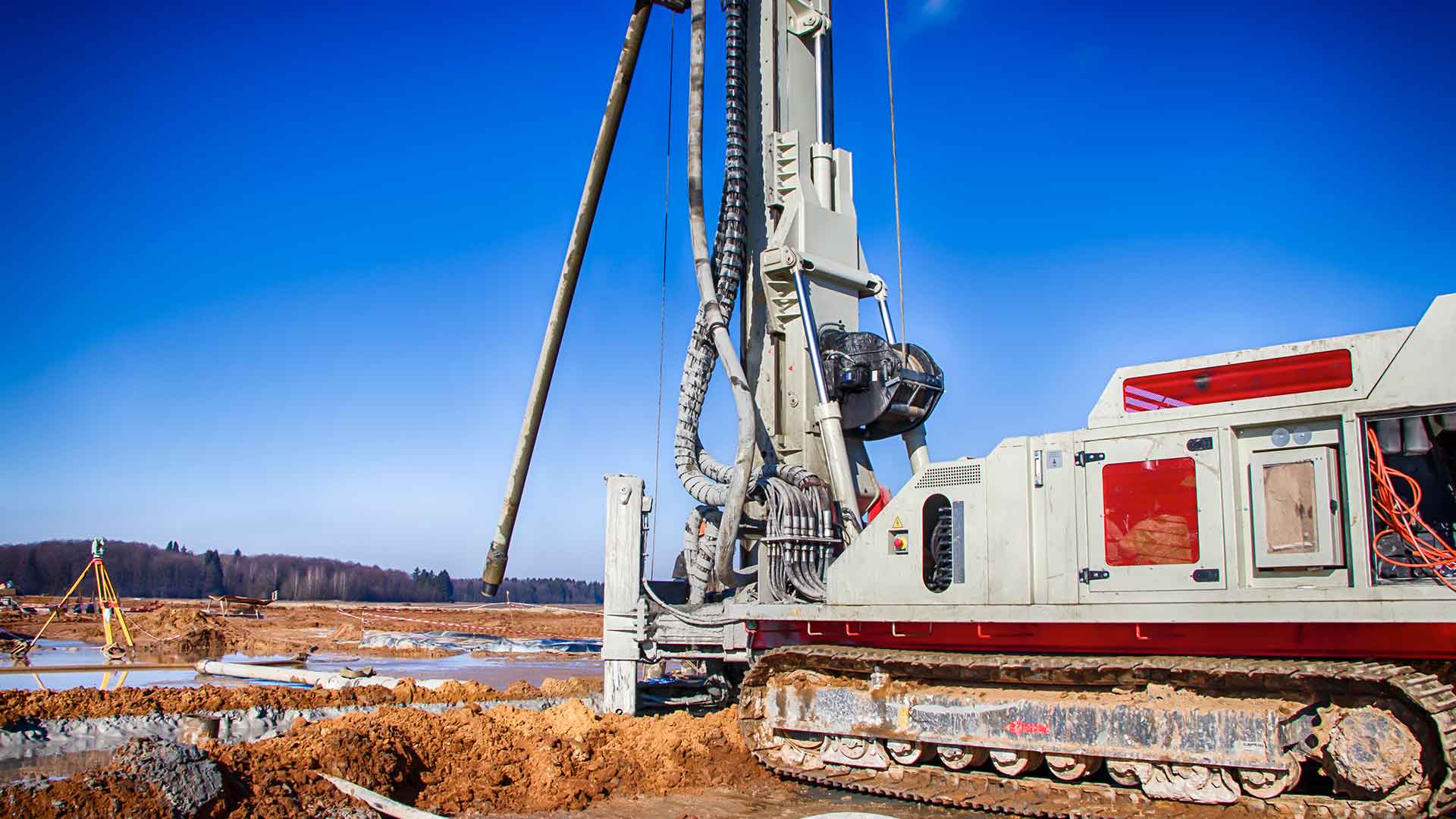
As technology continues to advance, the future of directional drilling is poised for significant transformation. Emerging technologies, such as automation and artificial intelligence, are being incorporated into borehole operations. These innovations aim to improve precision in borepath tracking and enable real-time data analysis for improved decision-making. Companies are investing in smart drilling systems that can enhance performance and minimize human error while providing insights for upcoming projects.
Sustainability will be a central focus in the evolution of directional drilling methods. With increasing environmental awareness and stricter regulations, the industry is expected to see an uptick in eco-friendly practices. This includes the implementation of biodegradable drilling fluids, eco-efficient equipment, and techniques that additionally minimize surface disruption. As local governments and companies focus on green infrastructure, the adoption of environmentally responsible drilling methods will become essential.
Moreover, the increasing demand for urban infrastructure improvements and renewable energy sources will fuel the expansion of directional drilling applications. From fiber optic deployments to pipelines for gas and water, the versatility of directional drilling makes it a preferred choice for numerous projects. As Horizontal Directional Drilling Coleraine Northern Ireland grow and the need for efficient utility installation in congested areas increases, the industry must adapt with creative solutions that balance efficiency, safety, and environmental factors.