Efficiency in Energy in Cooling Systems: Saving Money and Our Earth


As the temperatures increase, AC units turn into a essential part of our internal comfort. However, choosing the appropriate AC system is not just about tackling the heat; it also entails comprehending how to make intelligent choices that favorably affect both your finances and the environment. With the right knowledge, you can improve your living space, improve energy efficacy, and add to eco-friendliness efforts.
In this article, we will examine crucial information into air conditioning units, covering all aspects from energy-saving models to indicators that indicate it's time for a new unit. We will also discuss the differences between central and ductless systems, talk about important considerations to think about before finalizing a purchase, and offer tips on maintaining your unit for best performance. Whether you're looking to install a fresh system or just want to learn how to reduce energy bills, this guide will equip you with valuable knowledge to make informed choices for your home and the planet.
Buying Guide for A/C Units
When buying an air conditioning unit, it’s essential to take into account the size of your area. Choosing the appropriate size is crucial, as an too large unit can lead to inefficient cooling and increased energy costs, while an too small unit may fail to adequately cool your home. Take measurements of your rooms and refer to sizing charts or professionals to determine the ideal fit for your requirements.
Another important aspect is the type of cooling system. Central air conditioning units are perfect for cooling large homes, providing steady temperature management throughout multiple rooms. On the other hand, mini-split air conditioning units offer flexibility and are suitable for areas without built-in ductwork. Assess your situation, budget, and cooling needs to discover which option works most effectively for you.
Lastly, look for energy-efficient models that can substantially lower your energy bills and environmental impact. Pay attention to the SEER score, as greater ratings suggest better energy efficiency. Additionally, consider Discover more here as intelligent thermostats and inverter systems, which can enhance energy savings while optimizing performance and comfort in your house.
Care and Troubleshooting Advice
Routine maintenance of your air conditioning unit is essential to guaranteeing its efficiency and longevity. Start by washing or replacing air filters every 1-3 months; dirty filters can block airflow and diminish system performance. Additionally, maintain the outdoor unit clear of debris and make sure that the area around it is unobstructed to promote proper airflow. Regularly inspect the condensate drain for clogs, as a blocked drain can lead to water damage and higher humidity indoors.
If your air conditioning unit is inefficient in cooling effectively, there are several steps you can take to troubleshoot the issue. Initially, verify the thermostat settings to confirm they are accurate and the unit is set to cooling mode. Then, inspect the exterior unit for any visible blockages or damage that could hinder performance. If the unit still isn't functioning properly, consider checking the refrigerant levels; insufficient refrigerant can greatly impact cooling effectiveness. It may be necessary to call a professional to manage refrigerant issues, as it demands special handling.
In the event of unusual noises or odors, it is crucial to address these signs immediately. Sounds like rattling or grinding might indicate loose or worn-out parts, while musty smells could suggest mold growth within the unit. For any persistent issues, consult the user manual or contact a qualified technician who can diagnose and resolve the problem quickly. Staying proactive with maintenance and addressing issues early can help avoid expensive repairs and extend the lifespan of your air conditioning unit.
Efficient Energy Use and Sustainability
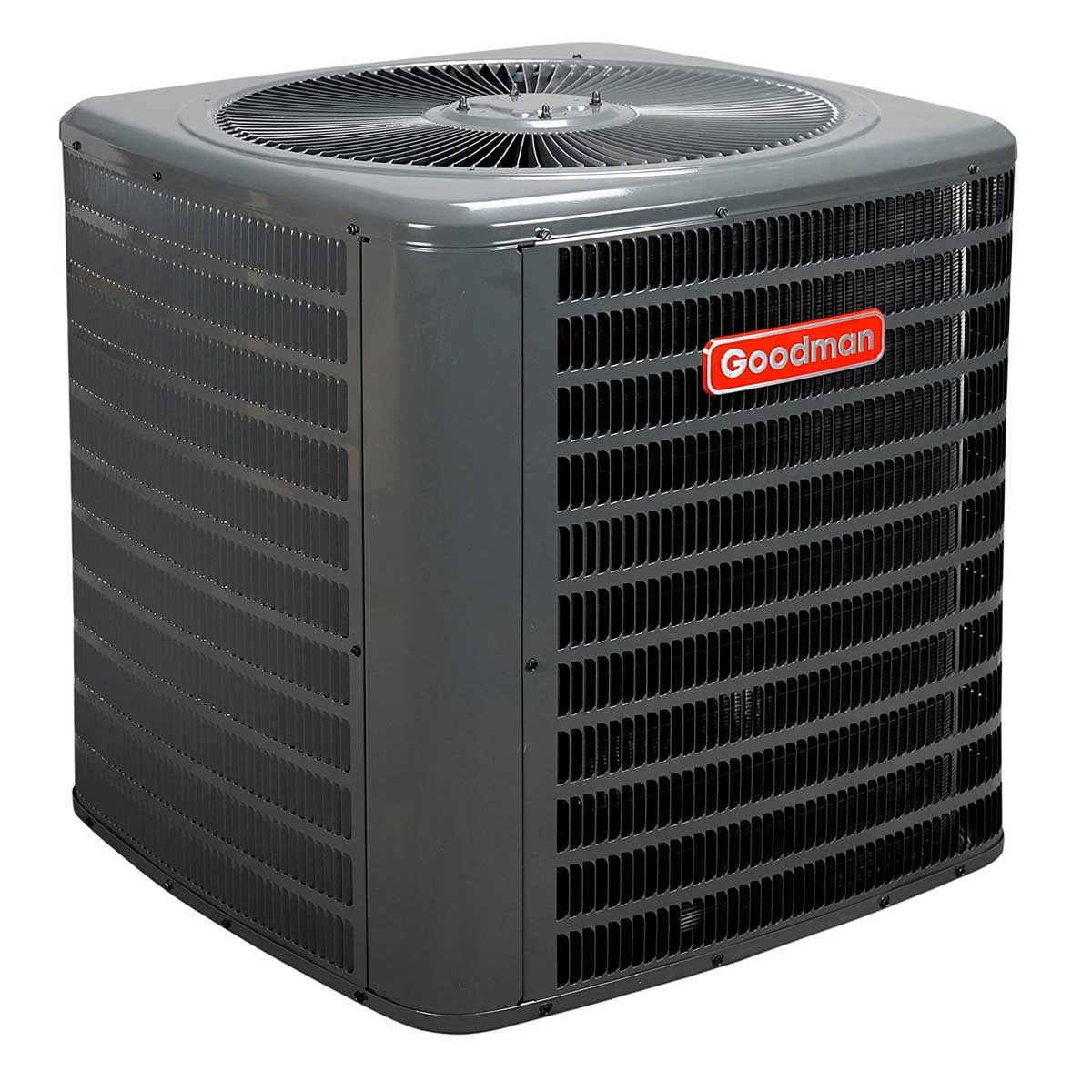
Cooling systems play a significant role in overall energy use, notably during the hot season. Opting for efficient air conditioners can substantially reduce both energy expenses and greenhouse gas emissions. Seek out units with a high Seasonal Energy Efficiency Ratio (SEER) rating, as these indicate greater effectiveness and lower energy usage. Moreover, investing in modern technology such as smart air conditioners can also contribute to efficiency, as they regulate their power output based on the thermal requirements.
The climate effect of air conditioning units extends further than electricity consumption. Legacy systems often use coolants that can contribute to ozone layer damage and global warming. Transitioning to newer units that use environmentally friendly coolants can help mitigate this issue. Additionally, the decrease of energy consumption is closely linked with reduced dependence on fossil fuels, providing additional benefits to the planet's environment and ecology.
Regular upkeep of cooling units also enhances their efficiency and lifespan. Regular checks on fluid levels, air circulation, and filter cleanliness can prevent wasteful energy consumption. Confirming that your unit operates effectively not only saves money but also lessens the overall demand on power sources, promoting a sustainable ecosystem for the next generation.