From the Ground Up:Comprehending the Science of Pile Foundations


In the world of building, the substratum is commonly likened to the foundation of a wood, invisible but vital for upholding the complete construction. Amongst the various types of bases, driven foundations play a key role, particularly in situations where the soil conditions are suboptimal. Whether you're building a simple home or a remarkable skyscraper, understanding the science of piling foundations is crucial for securing strength and endurance.
This piece intends to explain deep foundations, offering perspectives spanning their fundamental operations to their implementation in multiple construction scenarios. We will investigate both the concept of piling foundations are and their value but additionally dive into the various types, installation processes, and the technological advancements advancements changing this area of construction. By the end, you will have a thoroughly understanding of why deep foundations are indispensable in modern building and in what way they support to the complete success of construction projects.
Comprehending Pile Foundations
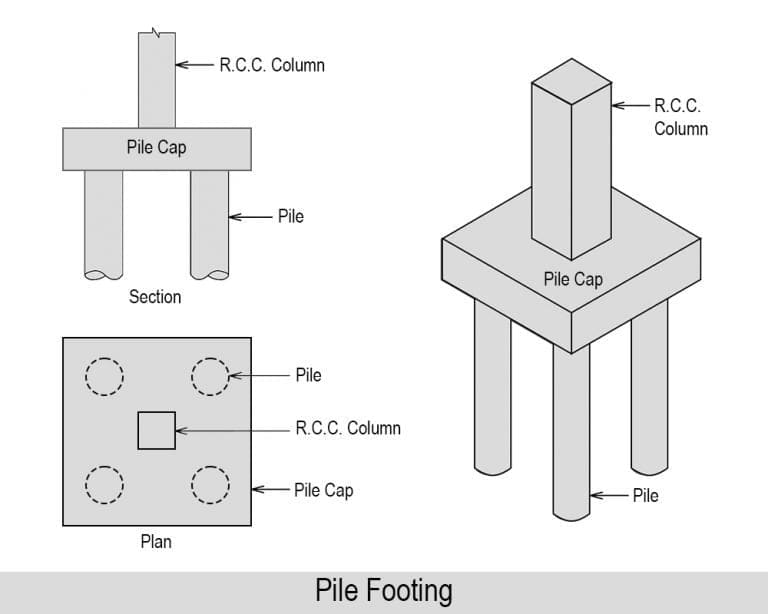
Piling foundations are an essential element in building, especially for buildings that require significant support due to adverse soil conditions. They consist of extended, slender poles, known as foundation piles, which are driven deep into the ground to transfer the load of the structure to more stable soil or rock layers below. This method is essential for structures, bridges, and other structures where surface soil is inadequate to support the mass, ensuring protection and lasting strength.
One of the key benefits of pile foundations is their ability to combat the problems posed by poor or fragile soil. By accessing deeper, more competent layers of soil, foundation piles provide the necessary resistance against heavy loads, reducing the chance of sinking or displacing over time. This is especially critical in areas prone to inundation, seismic activity, or various environmental elements that could destabilize a structure's foundation.
Understanding the various types of pile foundations—such as driven, hollowed piles, and spiral piles—helps in determining the appropriate approach for definite construction requirements. Each type has unique advantages and applications, making it crucial for engineers to assess site conditions, construction requirements, and costs when determining the best piling system for a project. This foundational insight not only assists in productive design and setup, but also ensures that structure integrity is maintained throughout its lifespan.
Categories and Advantages of Pile Foundations
Piling foundations come in various types, which are designed to meet specific structural needs and site conditions. The first two primary categories of piles are driven piles and bored piles. Hammered piles are factory-made and then driven into the ground, suited for hard soils and deep layers. Bored piles, on the contrary, are created by drilling into the ground and then packing the hole with concrete, making them ideal for weak soil conditions where minimal disturbance is essential. Both type offers distinct advantages, allowing engineers to choose the most suitable method based on project requirements.
The benefits of using piling foundations extend beyond merely structural support. One significant advantage is their ability to enhance stability in areas with weak soil or unpredictable conditions. Pile foundations distribute the load of the structure across deeper, more stable soil layers, thereby minimizing the risk of settlement. Additionally, they can be designed to handle various load types, including vertical, lateral, and uplift loads, which ensures that the structure remains stable over time. This flexibility makes them a top choice for big and complex buildings, such as skyscrapers and bridges.
Moreover, piling foundations are critical for coastal and water-front construction projects. They provide the necessary support in marine environments where traditional foundations may fail due to soil erosion or water-related instability. Eco-friendly materials and innovative technologies in piling design are also developing, reflecting a growing trend towards sustainable construction practices. As such, the adoption of piling foundations not only improves the performance and longevity of structures but also aligns with modern environmental standards, making them a preferred solution in the current construction landscape.
Setup and Innovations
The installation of piling foundations is a crucial stage in construction that requires accuracy and expertise. The process starts with site assessment and design, followed by choosing the appropriate type of foundation pile based on the type of soil and load specifications. Once the designing is complete, heavy equipment is brought in to either hammer or drill the foundation piles into the ground. The installation method often is determined by site accessibility and the nature of the project. https://pilingcontractorsderbyshire.co.uk/ during the process ensures that the foundations are placed accurately to avoid future construction issues.
Innovative technologies are constantly being created to enhance the efficiency and impact of piling foundation setup. For example, advancements in pile driving hammers and underwater techniques have improved the ability to place piles in difficult environments. Additionally, automation and improved materials are being studied to simplify the procedure, reduce workforce expenses, and minimize environmental impact. These innovations not only increase safety on the job site but also lead to quicker completion periods for construction efforts.
Looking towards the future, the incorporation of eco-friendly practices is becoming more crucial in piling foundation planning and setup. Methods such as using repurposed resources for foundations or implementing methods that reduce soil disruption are seeing traction. Engineers are also exploring the use of sensors to monitor the condition of piles over time, allowing for proactive maintenance. These advancements aim not only to improve the strength of structures but also to make piling foundations more sustainable and economically viable in the future.