From Tooth Loss to Flawless Smiles: The Path of Dental Implants


For a lot of folks, tooth loss can lead to a decrease in self-confidence and challenges to general oral wellness. Meanwhile, innovations in dental tech have introduced new answers that can transform not only smiles but also lives. Dental implants are emerging as a preferred choice for those seeking to restore the utility and appearance of their teeth. This detailed guide will take you on a complete journey of dental implants, from understanding what they are and how they work, to the procedures involved, and the various advantages they provide over standard choices like dentures.
As we delve into the world of dental implants, we'll discuss your questions about their durability, cost, and the post-surgery healing following the procedure. Whether you are thinking about getting implants or merely wanting to know the choices at hand, this article will offer information into the newest advancements in dental implant technology, dispel prevalent misconceptions, and help you navigate the decision-making process. In conclusion, you'll understand how dental implants not only improve dental health and functionality but also serve an essential purpose in regaining your self-esteem and grin.
Comprehending Oral Implants
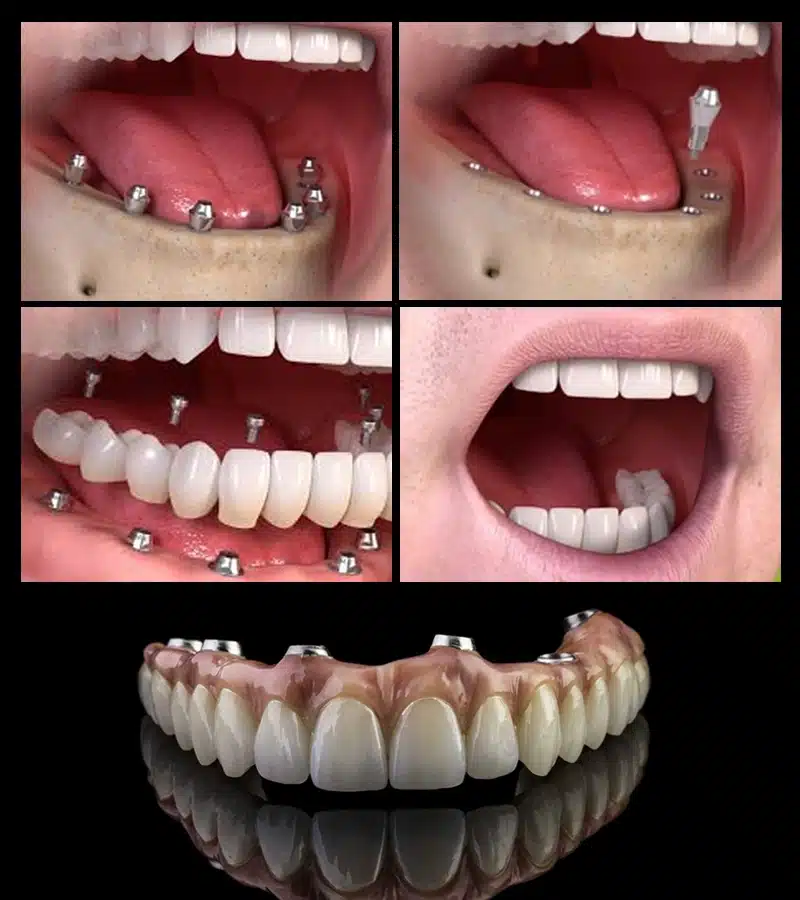
Dental implants are man-made tooth roots made from biocompatible materials, typically a type of metal, that are clinically placed into the jawbone to secure a replacement tooth or bridge. They provide a sturdy foundation for permanent or detachable replacement teeth that are designed to blend in with natural teeth. The surgical process involves multiple steps, starting from the evaluation of the patient's oral health and planning the operation to the actual installation and attachment of the replacement tooth after the implant has integrated with the bone.
The primary mechanism behind oral implants is implant integration, where the bone develops around the implant, securing it solidly in place. This integration provides stability that traditional dentures cannot deliver, offering patients a much natural sensation and performance. Ideal candidates for oral implants typically possess strong gums and adequate bone density to support the implant. For those with inadequate bone, treatments like bone grafting may be required to prepare the site for surgery.
Many people select dental implants due to their long-term benefits over other tooth replacement options. Unlike dentures, which can move and require regular replacements, dental implants are designed to be a durable solution when maintained correctly. They not only restore the aesthetics of a smile but also improve dental health by preventing bone loss that happens with absent teeth, thus sustaining the shape of the face and mandible.
Advantages and Comparisons
Dental implants offer several benefits that make them a favored choice for those looking to substitute missing teeth. Unlike dentures, which can slip and need constant adjustments, dental implants are securely anchored into the jawbone, providing stability and a experience like natural teeth. This means that patients can savor their beloved foods with ease and communicate clearly, as implants do not change position like traditional dentures. The aesthetic appeal of dental implants also improves self-confidence, allowing people to smile confidently.
When contrasting dental implants to other solutions like bridges, implants excel for their longevity and health benefits. Bridges require adjacent teeth to be modified, which can weaken their integrity over time. In contrast, dental implants help maintain jawbone density, preventing the bone loss that often accompanies missing teeth. Additionally, with good care, dental implants can last many years, far surpassing the lifespan of bridges and dentures, which may need to be replaced after a decade or so.
Cost is often a issue when considering dental implants; however, when assessing the future benefits, they often turn out to be a worthwhile investment. The initial cost may be more significant, but the durability, functionality, and improved oral health they provide can lead to significant savings over time. Moreover, as Great post to read in dental technology grow, options for financing and insurance coverage are becoming increasingly available, making dental implants a reasonable choice for an ever-growing patients.
This Implant Process and Post-Care
The path to achieving a perfect smile with oral implants begins with a comprehensive consultation and examination by your oral care professional. This initial step includes imaging studies to assess bone density and structure, deciding if additional procedures, like grafting, are necessary. Once considered a suitable candidate, the implant procedure usually occurs in several stages, beginning with the surgical placement of the titanium implant into the jawbone. This stage is often completed under local anesthesia, ensuring that patients feel minimal discomfort.
After the implant has been placed, a healing period ensues, during which the implant fuses with the jawbone in a process called osseointegration. This phase is crucial for the success of the implant, usually taking several months. During this time, it's essential to follow your dentist's aftercare instructions closely. This may include specific oral hygiene practices, dietary guidelines, and potential follow-up appointments to monitor the healing progress and address any concerns that may arise.
Once the healing process is complete, your dentist will attach a custom-made crown to the implant, completing your new smile. Care after the procedure is vital to ensure the longevity of your implants. Proper oral hygiene, regular dental check-ups, and avoiding habits like smoking can significantly enhance the success and durability of the implants. With consistent care, dental implants can provide a lasting solution for restoring function and aesthetics to your smile.