Green Heating, Ventilation, and Air Conditioning Solutions: Protecting the Planet and Your Finances


When it comes to keeping our abodes pleasant, efficient HVAC solutions play a vital role. Not only do these systems aid control heat and improve interior air quality, but they also offer a significant opportunity for homeowners to save money on their energy bills while reducing their environmental footprint. As climate concerns continue to grow, the demand for energy-efficient heating, ventilation, and air conditioning solutions has reached new heights.
In this article, we will discuss the many facets of HVAC systems, from knowing how often you should service your HVAC system to noticing the warning signs that indicate your system needs urgent attention. We will delve into the significance of regular maintenance and tips for selecting the right HVAC system for your house. Armed with the right knowledge, homeowners can not only improve their living environments but also make informed decisions that benefit both their finances and the environment.
Vital Heating, Ventilation, and Air Conditioning Maintenance
Consistent maintenance of your HVAC system is crucial for guaranteeing peak performance and durability. By arranging routine checks and maintenance, you can detect possible issues before they turn into costly repairs. This forward-thinking approach not only enhances the effectiveness of your system but also contributes to decreased energy bills. A regularly checked HVAC system can function at peak efficiency, helping to minimize your carbon footprint and lower money in the end.
One important aspect of HVAC maintenance is updating air filters on a regular basis. Dirty or dirty filters block airflow, making your system operate harder and leading to increased energy consumption. http://www.newcastleaircon.co.uk/best-Air-conditioning-tyne-and-wear to check and change your filters every one to three months, depending on how much you use it and the style of filter. This easy task can significantly improve both the effectiveness of your system and the atmosphere in your home.
In addition to filter changes, seasonal tune-ups should be part of your maintenance routine. Before the commencement of each heating and cooling period, it’s advisable to have a qualified technician examine your system. During this checkup, they can maintain components, check refrigerant leaks, and verify that all parts are working correctly. By committing to these essential maintenance tasks, you not only enhance the functionality and trustworthiness of your HVAC system but also protect your money in your home's comfort.
Tips for Enhancing Energy Efficiency
To enhance the efficiency of your HVAC system, start by ensuring regular maintenance. This includes replacing air filters often and scheduling expert inspections at least a couple of a year. Replace filters periodically to ensure good airflow and reduce burden on the system. A well-maintained system operates more optimally, which can lead to lower energy costs.
Consider upgrading to a smart thermostat for better control over your heating and cooling needs. These devices allow you to set schedules based on your daily routines, making sure that your HVAC unit runs only when required. By adjusting temperatures during non-peak hours or when the house is empty, you can greatly cut down on energy consumption and save costs.
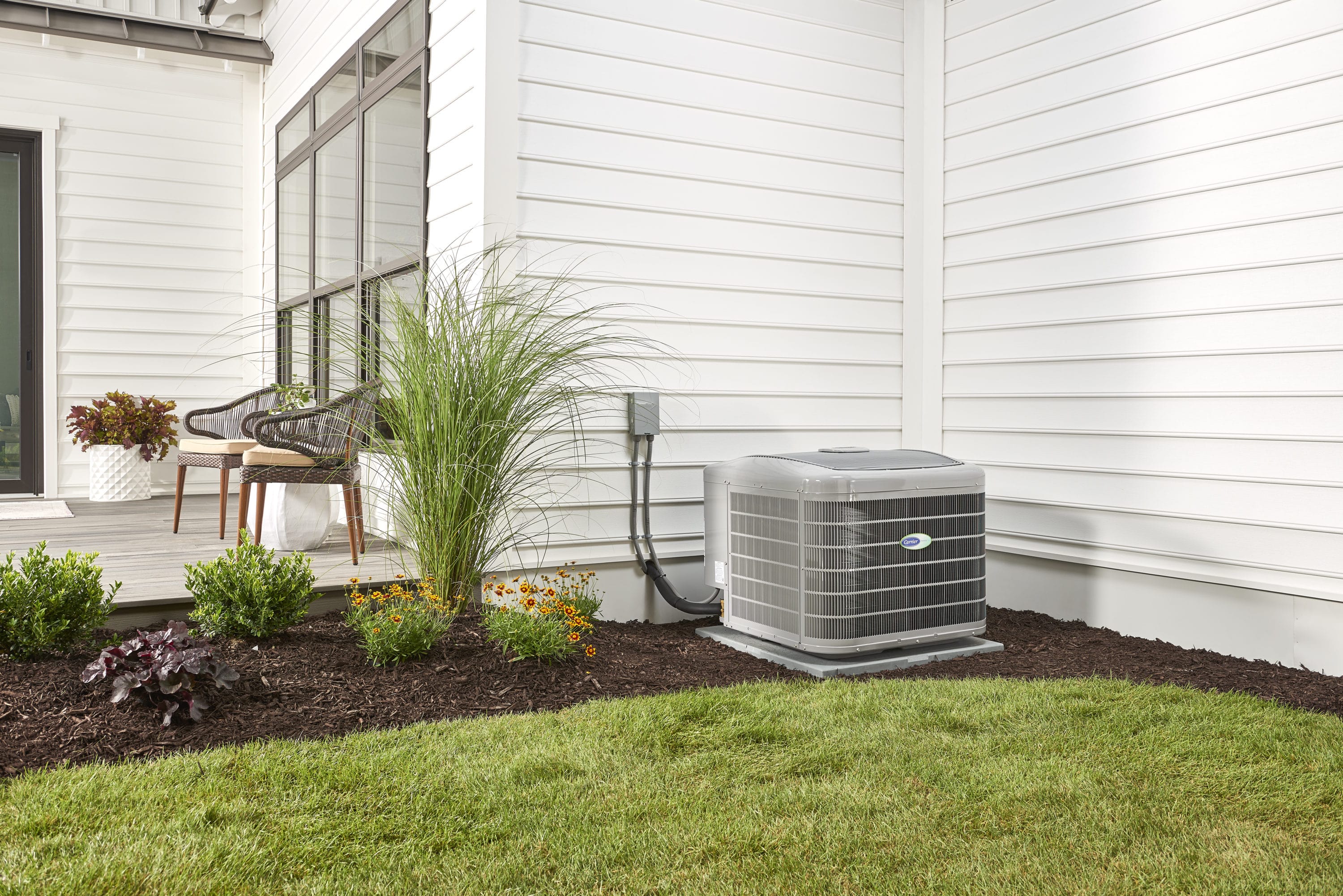
Lastly, evaluate the insulation and sealing around your home. Proper insulation in attics, exterior walls, and floors stops conditioned air from fleeing and minimizes the strain on your HVAC unit. Use weather stripping around doors and openings to seal any holes. Investing in better insulation not only enhances energy efficiency but also leads to a cozier indoor space throughout the year.
Common HVAC Problems
HVAC systems can encounter a number of frequent issues that may impact their efficiency and operation. One notable issue is insufficient airflow, which can result from blocked air filters, blocked ducts, or defective fans. This lowers comfort levels in your house and forces your system to work excessively, resulting in higher energy bills. Consistently inspecting and updating air filters can help the problem.
Another common issue is uneven temperatures across the house. This could be caused by ductwork problems, thermal issues, or an poorly sized HVAC system. Property owners may realize that certain rooms are overheated or too cold, implying that airflow is not uniform. Addressing duct leaks and looking into zoning systems can aid achieve a more consistent temperature.
Lastly, unusual noises from the HVAC system can point to underlying issues, such as loose components or motor issues. Sounds like banging, screeching, or grinding should not be overlooked, as they can signal a need for fixing. Consistent maintenance and tune-ups are crucial to catch these concerns early and keep your system running efficiently while staving off costly repairs down the line.