Implants compared to Dental Prosthetics: Choosing the Right Decision


When it comes to restoring absent teeth, dental implants and false teeth are both frequent options that individuals often consider. Both solution has its own set of benefits and cons, making the selection a individual one that should be based on individual needs, lifestyle, and budget. In the last decade, dental implants have gained considerable popularity, with a lot of patients opting for this innovative procedure to regain not only their functionality but also their assurance and smile.
In this thorough guide, we will explore what dental implants are and how they work, examine their key benefits compared to dentures, and discuss common questions regarding the procedure. From grasping the healing process after surgery to debunking myths and discussing long-term care, our aim is to arm you with the information needed to make an wise choice about your dental health and overall well-being. If you are thinking about dental implants for the first time or are seeking to explore your options, this article will provide insightful insights to help you make sense of your decision.
Comprehending Implants in Dentistry
Dental implants are cutting-edge dental solutions created to replace missing teeth, providing a secure and durable foundation for prosthetic teeth. They are made up of a titanium alloy rods that are surgically placed into the bone of the jaw, imitating the root structure of genuine teeth. After the implants integrate with the bone through a process called osseointegration process, they yield a secure foundation for crowns, dental bridges, or full or partial dentures, allowing that patients can experience reconstructed function and aesthetics.
The operation involves multiple steps, beginning with a comprehensive evaluation by a teeth professional to assess the suitability of the patient for implants. This assessment typically consists of imaging studies and discussions about the patient’s medical background. If bone density is too low, a bone graft may be necessary to create a reliable base for the implants. Following https://french-rouse.hubstack.net/exploring-the-advantages-of-choosing-dental-implants , the titanium alloy post is positioned, providing time for healing before attaching the replacement teeth.
One of the primary pros of dental implants is their ability to promote the jawbone, which prevents the atrophy of the bone that often occurs after a tooth is extracted. This not only helps keep the structure of the face but also supports comprehensive oral health. With appropriate care, dental implants can last for several years, making them a smart investment for patients seeking a permanent solution to tooth loss.
Benefits of Dental Implants
Dental implants offer a lasting fix to tooth loss, providing a solid foundation that mimics real tooth roots. Unlike dentures, which can move and require adhesive, implants are firmly anchored in the jawbone, giving patients reassurance and confidence in their ability to bite and talk without worry. This secure fit also allows for a better experience when eating various foods, enabling individuals to enjoy a wider diet without restrictions.
One of the most significant advantages of dental implants is their ability to prevent bone loss in the jaw. When a tooth is lost, the jawbone in that area can deteriorate over time due to lack of activity. Dental implants reintroduce this stimulation, t here by maintaining bone density and supporting facial structure. This aspect contributes not only to better oral health but also to aesthetic benefits, helping to preserve the original shape of the face and smile.
Moreover, dental implants can greatly boost a person's self-esteem and confidence. People who receive implants often discover that their ability to smile freely and interact socially becomes better considerably. The realistic appearance of dental implants, combined with their usefulness, allows individuals to become more secure in their appearance and capable of engaging in everyday activities. This increase in confidence can have a profound impact on overall quality of life.
Teeth Implant Process Overview
The dental implantation procedure begins with a comprehensive consultation where your oral surgeon evaluates your dental condition, talks about your goals, and decides if you are a fit candidate for implants. This initial evaluation often includes oral X-rays and maybe a 3D image to plan the surgery effectively. If jawbone strength is not adequate, a bone may be recommended to guarantee that the prosthesis has a solid foundation.
Once cleared for the procedure, the initial step involves the surgery placement of the metal fixture into the alveolar bone. This minor operation is typically performed with local, ensuring that you remain comfortable throughout the procedure. After the implant is placed, a recovery phase, known as osseointegration, begins. This crucial period allows the bone to integrate with the fixture, providing a solid base for the artificial tooth.
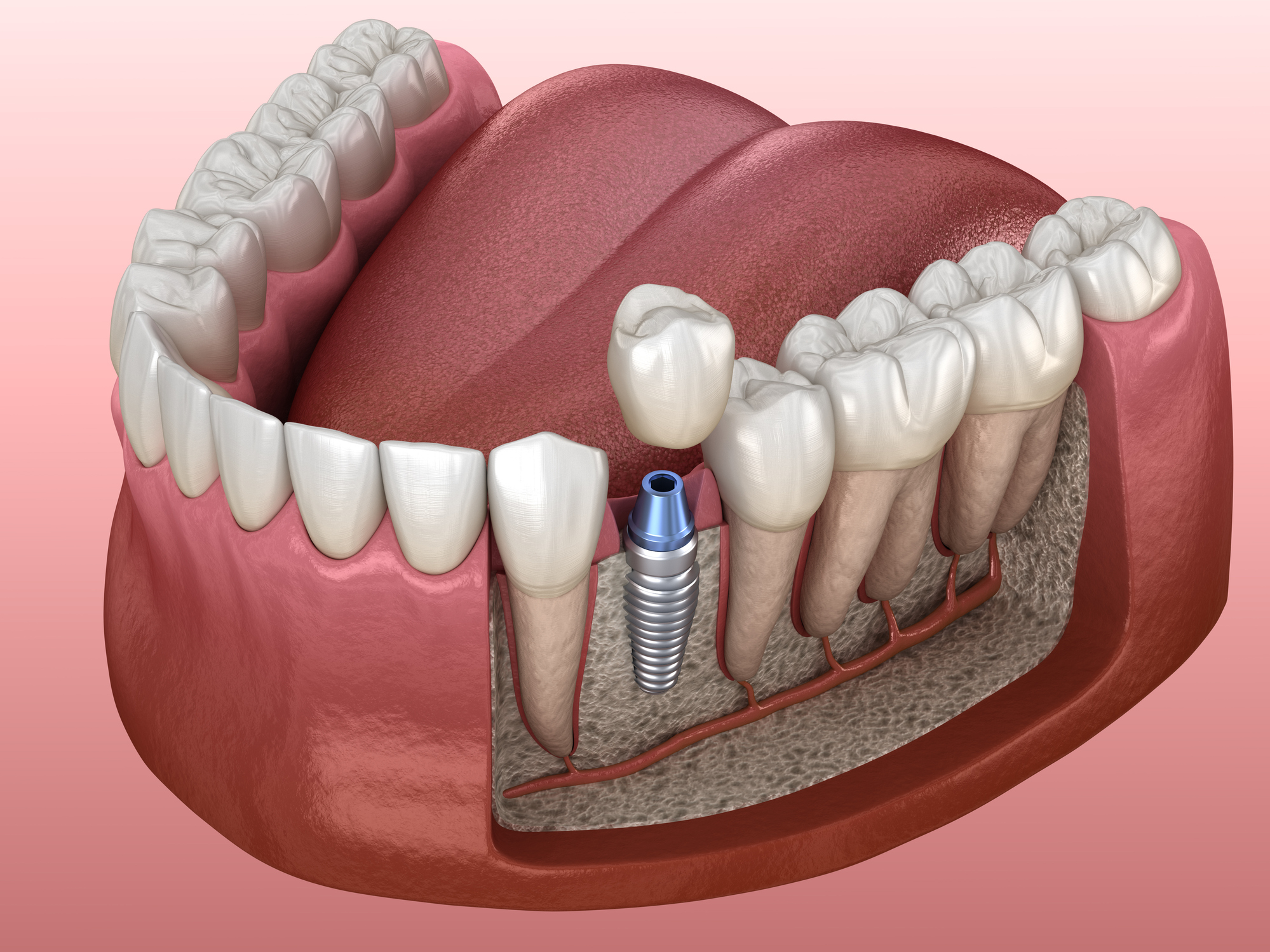
After the recovery process, a small connector post called an abutment is attached to the implant. This is then taking molds of the mouth to create a personalized cap that aligns with your natural dentition. Once the cap is ready, it is attached onto the connector, finalizing the process. Individuals can look forward to improved utility and aesthetics with their recent dental implants, restoring not just their smile but also their confidence.