Scaffold Layouts Which Inspire: Creativity in Building


In the field of construction, scaffolding serves as the support structure that supports not only the structure being constructed or renovated but also the workers who undertake these crucial tasks. It is a dynamic element of any construction site, offering protection, ease of access, and efficiency. As undertakings grow in challenge and scale, the plans and implementations of scaffolding develop, reflecting the innovation and development within the sector. From towering skyscrapers to residential homes, the ability to adjust scaffolding to meet particular needs can make all difference in ensuring a initiative's prosperity.
Nevertheless, with innovation comes responsibility. Understanding https://realistic-cheetah-pk26mk.mystrikingly.com/blog/framework-innovations-the-future-of-building-assistance , rules, and optimal methods surrounding scaffolding is crucial for anyone engaged in the construction process. This article delves deep into the various aspects of scaffolding, from kinds and assembly to care and safety regulations. If you're a property owner starting a renovation or a site manager overseeing a large-scale commercial venture, our detailed guide will provide you with the knowledge and guidance necessary to navigate the intricate landscape of scaffolding in construction.
Critical Security Guidelines for Scaffolding
Security is paramount in the use of scaffolding on job sites. First, make sure that all staff are trained in scaffold safety and grasp the specific risks associated with the type of scaffold being used. This entailed knowing how to identify and minimize risks such as unstable surfaces, wind conditions, and things overhead. Regular safety briefings can help support these procedures and keep protection at the top of all workers’ mind.
Another important aspect of scaffolding safety is the appropriate examination and maintenance of gear. Before use, the scaffolding should be thoroughly examined for any signs of damage, defects, or instability. Construction managers should develop a checklist to confirm all components, including railing, work surfaces, and braces, are safe and functioning correctly. Routine inspections during the project will help spot any concerns early, reducing the risk of mishaps.
In conclusion, maintaining a clean job site around scaffold can significantly lessen the risks of trip, trips, and falls. Verify that equipment and materials are stored safely and that paths are unobstructed. Additionally, using adequate personal protective equipment, like hard hats and safety shoes, is important for workers’ safety. By fostering a proactive safety environment, the dangers associated with scaffolds can be considerably lowered, leading to a more efficient and protected job site.
Types of Scaffold Systems and Their Uses
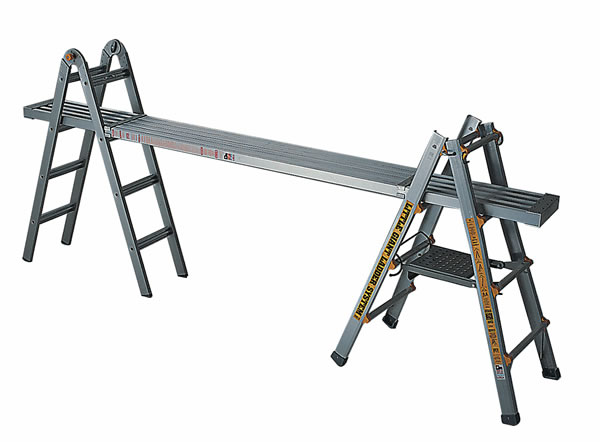
Various scaffolding types come in different types, each designed for specific applications in the building. The most prevalent types include frame scaffolding, which provides a strong and adaptable structure for general construction work; suspended scaffolding, that is ideal for buildings with tall facades; and system scaffolding, famed for its modularity and ease of setup on complicated frameworks. All types is tailored to meet the demands of different projects, providing safety and efficiency while performing tasks at heights.
In addition to these common forms, there are unique scaffolding types such as tube and coupling scaffolding, which allows for on-site customization and is often used in industrial settings. Rolling scaffolding is another common choice for tasks that necessitate mobility, enabling workers to navigate easily from one area to another without needing to take apart and reassemble the structure. Click here for info in accomplishing tasks promptly and effectively.
Additionally, scaffolding can also be categorized based on its use, such as scaffolding for painting, roofing, or renovation projects. Each use may require unique design features to accommodate certain tasks or tasks, such as safety measures for performing elevated work or the ability to bear heavy loads. Grasping the multiple forms of scaffolding and their suitable uses is vital for guaranteeing safe and efficient construction practices.
Selecting the Appropriate Scaffolding System
Selecting the appropriate scaffolding system is crucial for the effectiveness and security of a construction project. Factors such as the type of work being performed, the height of the structure, and the site conditions must be thoroughly evaluated. Different scaffolding systems, including framed, tube-based, and modular, offer multiple advantages based on the project's specific needs. It is essential to evaluate the intended use and the surroundings where the scaffolding will be erected to ensure optimal support and protection features.
Another important aspect is the load capacity of the scaffolding system. Each scaffolding type has specific load limits that must be followed in order to prevent accidents and structural failures. Performing a thorough analysis of the expected loads, such as workers, equipment, and materials, will help in selecting a system that can securely accommodate these demands. Talking with experts or manufacturers about the best options may provide insightful information into which scaffolding system is best for the project best.
Finally, regulatory compliance is important when choosing a scaffolding system. By adhering to local building codes and safety standards, project managers can prevent legal issues and ensure the safety of all workers on site. Always prioritize systems that come with adequate safety features, such as guardrails and toe boards, while also seeking options that offer simple access points and quick assembly. This purposeful approach will enhance overall productivity and safety on the job site.