Starting at Concept and Extraction: A Journey In Directional Drilling


Within today's fast-changing world, the need for effective and cutting-edge construction methods has never been greater. Directional drilling is prominent as a cutting-edge technique that not just fulfills the requirements of contemporary infrastructure and also delivers answers that minimize environmental impact and surface disruption. As urban areas grow and infrastructure requirements increase, directional drilling offers a distinct approach to placing utilities, telecommunications, and renewable energy systems underground with little disturbance to the surface environment.
This article will lead you through the fascinating journey of directional drilling, investigating its many benefits, applications, and the tools that make it feasible. From grasping the step-by-step process of horizontal directional drilling to comparing it with traditional trenching methods, we will cover essential aspects that highlight why directional drilling is becoming the chosen choice for urban projects and utility installations. Come with us as we delve into the details, presenting case studies of successful projects and discussing the future of this transformative technology.
Advantages of Horizontal Directional Drilling
Horizontal drilling offers numerous advantages that make it an essential approach for current construction initiatives. One of the key benefits is the significant minimization in surface interference. As opposed to traditional trenching techniques, which can cause severe harm to areas, streets, and existing utilities, directional drilling allows for the placement of utility lines and wires subterraneously with limited surface disturbance. This results in minimal traffic disruption and a quicker restoration to regularity for neighborhoods impacted by construction activities.
Additionally notable benefit is the adaptability of directional drilling in various settings, especially urban areas where there is limited space. The ability to perform horizontal drilling allows for the placement of utility lines below obstacles such as structures, roads, and rivers without the need for extensive excavation. This not only maintains the structural integrity of existing structures but also enhances the efficiency of building efforts in densely populated regions, making construction initiatives more achievable and cost-effective.
Moreover, this method is often more sustainable compared to older practices. Because it limits the quantity of dirt displaced and lowers the impact on the environment, it helps preserve natural habitats during the installation of utilities. Innovations in the technology of drilling fluids further enhance its green credentials, making this approach a preferred choice for industries committed to green strategies. By choosing this method, companies can contribute to the protection of ecosystems while still fulfilling their building demands.
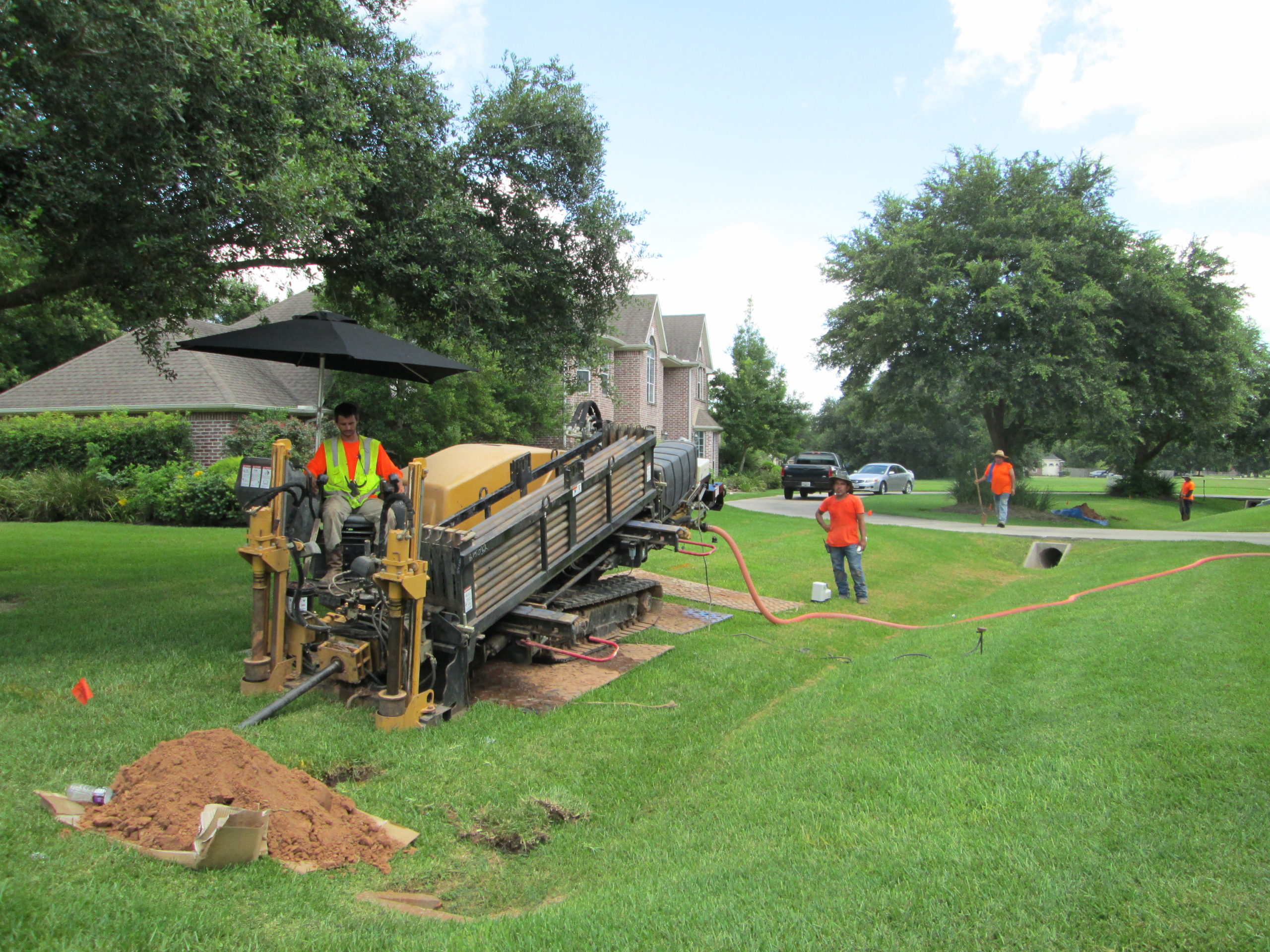
Comparative Analysis: Directional Boring vs Conventional Techniques
Directional drilling and conventional excavation techniques constitute 2 different approaches to underground utility construction, each with unique advantages and disadvantages. Traditional methods frequently entail large-scale excavation, that can lead to significant above-ground disruption, which includes street shutdowns, damaged landscaping, and increased vehicle bottlenecks. Conversely, directional boring diminishes these interferences by permitting for the installation of utilities without the need for extensive open excavations. This is especially advantageous in metropolitan regions where space is limited and maintaining above-ground integrity is essential.
One of the major differences is the efficiency of placement. Directional drilling can maneuver around existing existing structures and barriers, allowing for a more unobstructed installation path. This precision lowers the chance of facing unexpected complications that frequently arise with classic digging methods. Additionally, the capability to perform installations under roads, waterways, and other obstructions without disturbing the surface significantly lowers construction timelines and costs related to cleanup.
Moreover, ecological considerations have a major part in the comparison of these techniques. Visit website can lead to significant earth movement and wear, that can damage regional ecosystems. On the other hand, directional drilling reduces these effects by protecting the surrounding landscape and lowering the quantity of disturbed earth. This approach not only assists in upholding ecological stability but also corresponds with the growing need for eco-friendly building methods in contemporary construction developments.
Directional Drilling: Future Innovations
As the need for sustainable infrastructure solutions grows, the prospects of directional drilling appears promising. Developments in drilling technology, such as advanced sensor systems and cutting-edge data analytics, are setting the way for increased precise and efficient operations. This technological evolution is expected to boost the precision of bore path designs, greatly reducing the likelihood of costly errors and project delays.
In addition, the integration of AI and ML into directional drilling operations is set to transform the industry. By harnessing predictive analytics, drilling contractors can anticipate challenges related to ground conditions and refine drilling parameters in real-time. This capability not just enhances safety but also boosts overall project efficiency, allowing for faster completion times without compromising quality.
Ecological considerations are also prompting innovations within the field. As companies prioritize sustainability, new eco-friendly drilling fluids and techniques that minimize surface disruption are emerging. These developments are crucial for urban projects where minimizing impact is critical. The commitment to environmental stewardship will play a significant role in shaping the landscape of directional drilling, ensuring it stays a viable option for modern infrastructure development.