Structural Engineering Fails: Lessons Learned from Disasters


Structural engineering as a discipline is a crucial field that affects the safety and functionality of the built environment. It encompasses the creation and assessment of buildings such as structures, overpasses, and other infrastructure, ensuring they can resist different stresses while serving their specified roles. As our metropolises develop and stretch, the importance of expert structural engineers grows more apparent, especially when we consider the lessons learned from past failures. These incidents highlight not only the necessity of sound engineering practices but also inspire innovations that extend the capabilities of what is feasible in the construction industry.
In investigating the world of structural engineering, we encounter a rich tapestry of history, innovations, and design challenges. From understanding the basic tenets that guide engineers to the emerging trends defining the path forward of the field, this article will delve into the importance of structural engineers in current construction. By looking at notable structural failures, we can gain valuable understandings that confirm the need for strict regulations and the cooperation between engineers and architects to create safe and durable structures. As we journey through this journey, we will also highlight the significant advancements that continue to redefine our urban landscapes and improve public safety.
Comprehending Civil Structural Engineering and Its Importance
Structural engineering is a crucial branch of the engineering discipline that centers on the design and analysis of load-bearing structures. It entails understanding how different loads, including gravity, wind, and seismic activity, influence buildings, bridges, and other constructed facilities. Structural engineers employ concepts of physics and mathematics to ensure that structures can bear various loads while staying safe and functional. They collaborate with architects and other professionals to create designs that are not only strong and stable but also visually appealing.
The importance of structural engineering is paramount. https://structuralengineersurrey.co.uk/best-structural-engineer-surrey/ impacts the safety and longevity of structures, from residential homes to iconic skyscrapers. Structural failures can have catastrophic consequences, leading to loss of life, property damage, and economic downturns. By employing rigorous analysis and innovative design techniques, structural engineers provide critical solutions that protect public safety and preserve infrastructure integrity. Their role is especially essential in areas prone to natural disasters, where resilient design can make all the difference in protecting communities.
As urban environments continue to evolve and expand, the demand for skilled structural engineers is greater than ever. Their expertise is essential in tackling contemporary challenges, such as climate change and the need for sustainable practices. Structural engineers are at the forefront of developing new materials and technologies that enhance the durability and efficiency of structures. With the use of advancements like 3D modeling and smart materials, they are prepared to address the complexities of modern construction while ensuring safety and sustainability for coming generations.
Insights from Structural Failures and Innovations
Structural failures often offer crucial lessons that can shape future engineering practices. One of the most notable lessons learned from the past is the importance of rigorous testing and standards. Disasters like the collapse of the Tacoma Narrows Bridge showed engineers that wind-induced vibrations could be more damaging than anticipated. This resulted to advancements in understanding dynamic loads and enhancing design methodologies to account for unexpected forces, ensuring more robust designs in the future.
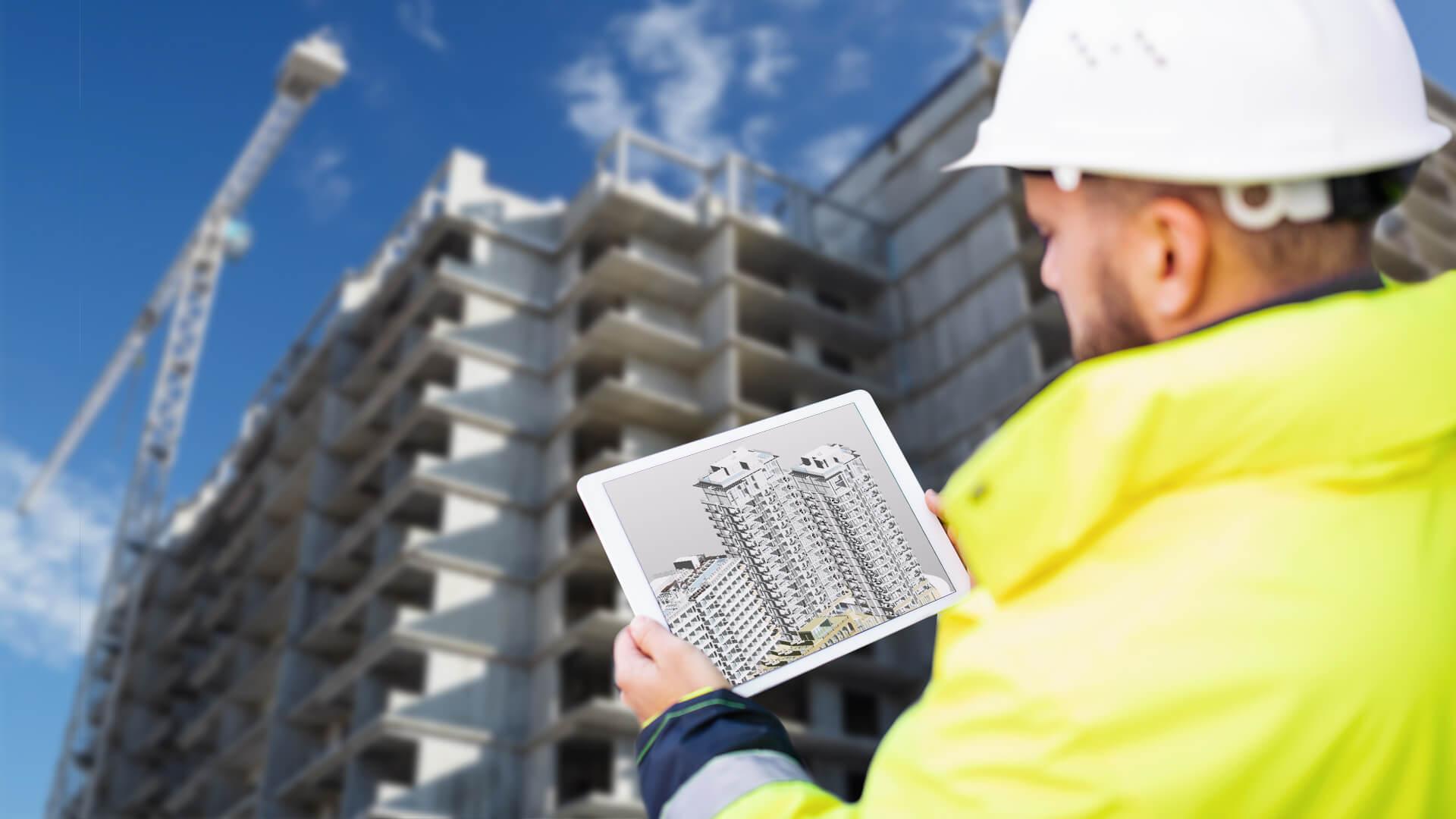
Developments in construction materials and techniques have emerged as direct responses to past failures. For instance, lightweight yet strong materials like composite materials and high-strength steel have changed the way structures are built. These materials not only improve security but also enable innovative designs. Moreover, the development of CAD and modeling tools has transformed structural engineering, enabling engineers to visualize and analyze their designs under different loading scenarios before building begins.
The role of engineering professionals has changed significantly, driven by lessons learned from previous disasters. Today, there is a greater emphasis on interdisciplinary collaboration, particularly between structural engineers and architects. This teamwork fosters innovative solutions that prioritize both design appeal and stability. By drawing on historical lessons, the field of structural engineering continues to evolve, focusing on durability and environmental responsibility, ultimately striving to avert future failures.
The Fate of Structural Engineering and Evolving Trends
The outlook of structural engineering is ready for change with the integration of advanced technologies and sustainable methods. Innovations such as AI, ML, and automation are transforming how engineers create and assess structures. These technologies improve efficiency, reduce human error, and enable for increasingly intricate designs that were previously unimaginable. As we progress, structural engineers will more and more rely on these digital tools to optimize safety and performance.
Sustainability is becoming a crucial focus in structural engineering, with a growing emphasis on green building techniques and the use of sustainable materials. Engineers are investigating options such as recycled materials, energy-efficient designs, and systems that minimize environmental impact. This trend aligns with global efforts to combat climate change and highlights the role of structural engineers in creating edifices that are not only safe and functional but also environmentally responsible. The incorporation of alternative energy sources into building designs is also becoming increasingly prevalent, promoting self-sufficiency and resilience.
In conclusion, the role of structural engineers in disaster preparedness and recovery is developing. With the growing frequency of catastrophes, the demand for resilient structures is higher than ever. Engineers are developing new solutions for earthquake-resistant buildings, flood-resistant designs, and structures capable of enduring extreme weather conditions. Working together with colleagues and utilizing state-of-the-art materials and techniques will be essential as the industry adapts to these issues. As we look to 2025 and further ahead, the flexibility and vision of structural engineers will be critical to building safer, sustainable communities.