The amazing Environmental Pros of Horizontal Directional Techniques


In today's fast-changing building environment, Horizontal Directional Drilling, commonly referred to as HDD, is recognized a game-changing approach. This innovative method allows for placement of multiple infrastructures while causing minimal disruption to the adjacent ecology. In contrast to conventional excavation techniques that often result in substantial environmental changes and ecosystem disturbance, HDD provides a more eco-friendly solution, thereby becoming more favored for initiatives in metropolitan settings and vulnerable zones.
Grasping how HDD works and its numerous merits is important for project planners and participants alike. By exploring the environmental merits of this method, let us look at its role in minimizing ground interference, its uses in different infrastructure installations including water, drainage, and communication lines, and how it facilitates construction in difficult terrains. Through adopting this no-dig technology, we can not only streamline construction development while also emphasize the sustainability of our ecology.
Gains of Horizontal Directional Drilling
Horizontal Directional Drilling offers several significant advantages over conventional trenching approaches. One of the key rewards is the decrease of surface interference. This method allows for the placement of services underground without the necessity for large-scale excavation, which minimizes harm to highways, sidewalks, and pre-existing structures. This is particularly advantageous in city areas where sustaining traffic management and minimizing public disturbance is important.
Moreover, HDD is environmentally friendly as it helps minimize erosion and soil shift. By steering clear of large excavations, this technique maintains the surrounding ecosystem, including trees, plants, and animal habitats. In addition, this approach can maneuver around sensitive ecological areas, making sure that natural materials and habitats stay intact during construction projects. This reduced environmental impact makes HDD a preferred choice in regions with strict environmental rules.
Another pro of this method is its effectiveness in timelines. The method allows for more rapid installation of pipes, cables, and other infrastructure without the significant setup and restoration required by conventional methods. This productivity not only saves time but can also lead to financial benefits for builders and stakeholders, making this technique a particularly desirable option for infrastructure projects across various fields.
HDD Process and Techniques
HDD is a trenchless technology that allows for the installation of pipes and wires beneath the surface without disturbing the ground. The process begins with preparatory work and planning, which is essential to identify the optimal path for the drill. During this phase, inspectors conduct thorough assessments of the terrain and existing infrastructure to identify any possible obstacles that could hinder drilling. Data collected from soil samples and environmental studies plays a role to creating a successful strategy for the project.
Once the path has been established, drilling equipment is installed at both the starting and exit points. A pilot hole is bored using a specific drill bit that is controlled by a guidance system, ensuring that the drill adheres to the predetermined route. This stage is critical as it requires precision and attention to detail. Real-time data from the guidance system allows operators to make adjustments on the fly, ensuring that the drilling moves forward accurately and remains within the required depth and alignment.
After finishing the pilot hole, the next step involves the reaming process, where the hole is gradually enlarged to accommodate the pipeline or cable being installed. This is done by retrieving a reamer through the pilot hole, which enlarges it to the necessary diameter. Finally, the pipeline or cable is inserted into the newly created borehole. Throughout this entire process, continuous monitoring ensures that safety and environmental standards are upheld, minimizing interferences and risks associated with conventional trenching methods.
Sustainability Issues and Future Trends
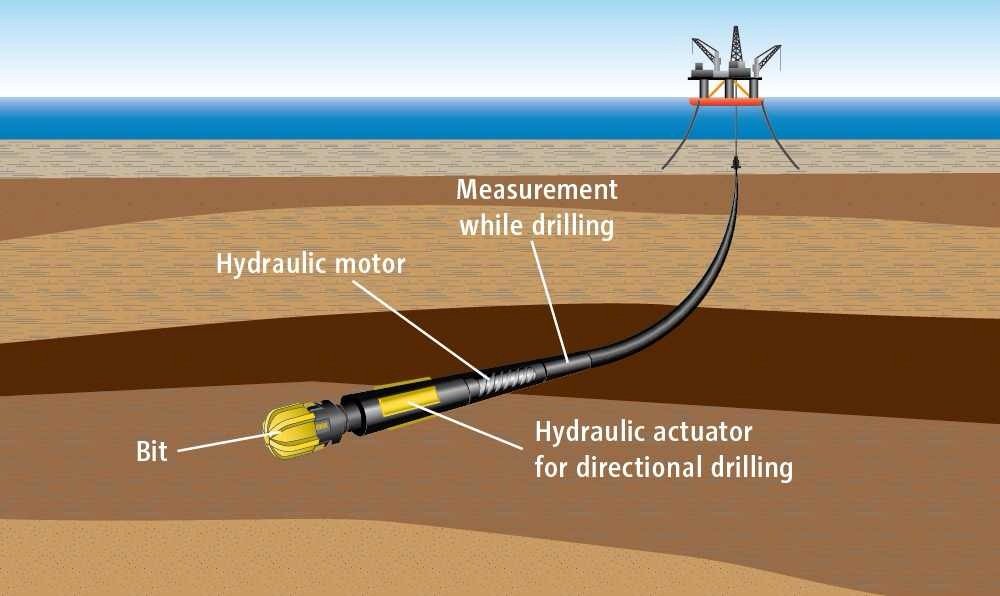
As the requirement of infrastructure developments increases, the necessity of sustainable practices becomes paramount. Directional Drilling (HDD) is noteworthy by greatly lessening surface disruption compared to conventional excavation techniques. HDD enables Directional Drilling Northern Ireland of services without extensive digging, minimizing harm to natural habitats and preserving the quality of local environments. By navigating under the surface, HDD decreases the risk of ground erosion and habitat destruction, making it an excellent choice for sensitive project sites.
Going forward, the combination of cutting-edge technologies with HDD is set to enhance both its efficiency and sustainability benefits. Innovations in GPS and immediate monitoring technologies boost precision during the drilling process, making certain little disturbance to nearby areas. As https://ladefoged-warren-2.blogbright.net/a-deep-dive-into-hdd-techniques around environmental protection continue to tighten, HDD is poised to become an increasingly preferred choice for metropolitan construction initiatives due to its eco-conscious nature and ability to navigate complex terrains while ensuring compliance with green guidelines.
As industries shift towards eco-friendly methodologies, HDD's importance will expand beyond typical utility applications. The approach is increasingly being applied in sustainable energy initiatives, such as wind and solar energy initiatives, where minimizing environmental footprints is critical. The persistent development of HDD technology, coupled with a steady concentration on responsible construction, promises a future where this approach remains at the forefront of environmental responsibility in infrastructure development.