The Future of Driving: Electric Cars You May Buy Right Now

While society progresses into an increasingly green tomorrow, a transformation in the automotive industry is well underway. EVs are now a fantasy; they have arrived, ready for you to discover. With innovative technology, remarkable performance, and a constantly expanding network of charging stations, switching to an EV is simpler than you think or more appealing. Whether you're someone who cares about the environment or simply searching for a cost-effective way to hit the road, the market for electric cars offers a wide range of options tailored for all preferences and financial situations.
Yet, traversing the wide array of cars for sale can be overwhelming, particularly for individuals new to the process or not knowing what steps to take. From understanding the differences between brand new and second-hand electric cars to navigating financing options, the journey requires a thoughtful approach. This article aims to guide you through key aspects of buying an EV, including tips on determining the right choice for your situation and insight into identifying excellent offers. Brace yourself to immerse yourself in the electric driving experience and discover tomorrow's travel that is within your reach.
Choosing the Best Car
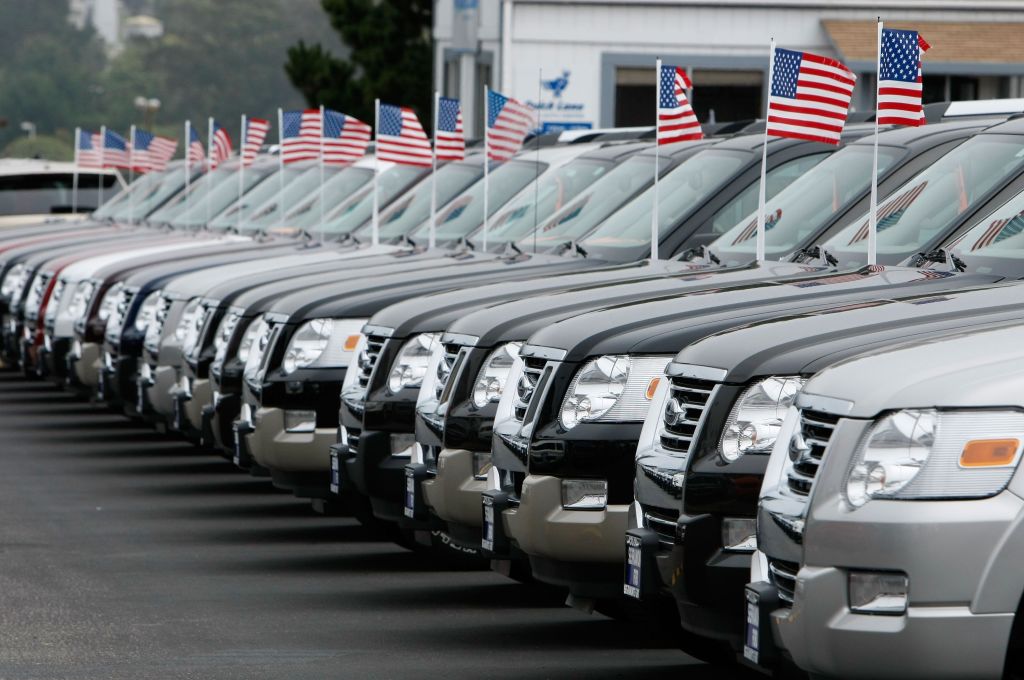
As you look at cars for sale, it's essential to start by recognizing your needs and wants. Reflect on aspects such as your commuting distance, the number of passengers you typically carry, and whether you need extra cargo space for activities like group outings or multi-day trips. Evaluating your way of life can assist filter the types of vehicles that are most suitable, whether you are seeking a mini car, a big SUV, or a economical hybrid.
Next, weigh the advantages and disadvantages of new versus used cars for sale. New cars often come with the newest technology, full warranties, and zero miles, but they likewise depreciate quickly. Used cars may give greater value initially and lower insurance costs, but it's crucial to check their history and condition thoroughly. Look for certified second-hand vehicles, which can give a good balance between price and reliability while also assuring you of a vehicle's quality through checks and warranties.
Finally, take the time to contrast different models side by side. Research safety ratings, fuel efficiency, and maintenance costs of the vehicles you are considering. Online car shopping can provide the chance to look at numerous listings and their features, helping you spot fantastic deals or warning signs. This thoughtful approach will make sure that you find a car that suits not just your financial plan, but also your extended needs and desires.
Grasping Financial Alternatives
When thinking about cars for sale, understanding financing options is crucial. Buyers can generally choose from financing through a bank, a credit union, or straight through a dealership. Each option offers with benefits. Banks and credit unions commonly provide competitive interest rates, particularly for those with good credit. Dealership financing may feature incentives like cash rebates or promotional rates, but it is crucial to examine the fine print and know the terms involved.
One more important factor to consider is the type of loan. Many buyers choose a traditional installment loan, where monthly payments are fixed over a set term. Others might explore leasing, which can lead to lower monthly payments and the chance to drive a new vehicle every few years. However, leasing commonly comes mileage restrictions and no ownership at the end of the term. Knowing the differences between buying and leasing helps buyers make the correct choice based on their budget and driving needs.
Lastly, always assess your budget before selecting a financing option. Apart from the monthly payments, it is essential to account for insurance, maintenance, and fuel costs. Getting pre-approved for Car Sales Holywell North Wales can additionally offer you a clearer idea of your budget and enhance your bargaining power when browsing cars for sale. By understanding your financial limits and exploring different financing avenues, you can handle the car buying process with certainty.
Essential Questions for Purchasers
When evaluating a buy, it is important to ask the appropriate questions to ensure you are making an educated decision. One of the primary questions you should ask is about the vehicle's record. Understanding previous ownership, collision history, and if it has a clean title can provide clarity into any likely issues and help you gauge the car's complete condition. Obtaining a vehicle history report can be invaluable in this process.
An additional important question centers around the car's warranty and what it protects against. If you are looking at used cars, inquire whether it still falls under the manufacturer’s warranty or whether any extended warranty options are offered. Knowing what is covered can help you avoid money on repairs in the future and provide peace of mind with your purchase.
In conclusion, make sure to ask about financing possibilities. Inquire if the dealership has partnerships with banks or credit unions, and ask about loan rates, financing terms, and any unique incentives for financing through them. Understanding your financing options will help you create a financial plan that includes not just the buying price but also recurring costs.