This Role of Safety Nets in Financial Security


Within the current fast-paced construction sector, worker safety continues to be a paramount concern as workers confront numerous risks on job sites. One of the most efficient measures to improve worker protection is the use of safety netting, a crucial element in fall safety systems. As construction projects grow in complexity and scale, grasping what this netting is and its essential role in maintaining not just worker safety but also overall project success is essential. This article examines the indispensable function of safety netting, providing information into its types, uses, and best practices for effective implementation.
From fall prevention to reducing liability, safety netting offers multifaceted benefits that extend beyond mere compliance with regulations. Whether you are involved in tower construction, renovation works, or specific infrastructure work, understanding the nuances of safety netting can significantly improve safety standards on job locations. Come with us as we delve into the complete guide to safety netting, examining its essential role in fostering a safe work space that focuses on both worker safety and site productivity.
Grasping Safety Nets: Significance and Implementations
Netting for safety is a vital component in the construction industry, providing an essential protection against elevated falls. It acts as a protective barrier that can trap workers or materials that may errantly drop, thus significantly minimizing the risk of injury or loss of life. The significance of safety netting cannot be overstated, as it both meets safety regulations but also fosters a climate of safety on work locations. By installing these nets, contractors show their engagement to the well-being of workers.
The purposes of these nets are diverse, spanning a range of construction projects, including elevated structures, crossings, and subterranean structures. Its adaptability allows it to be modified for varied work settings, whether short-term setups on remodeling projects or permanent solutions for infrastructure projects. In hazardous conditions, such as demolition or roofing, these protective nets provides essential protection for both workers and the general public, preventing accidents that could have severe consequences. This flexibility also applies to limited or complex work areas, where standard safety measures may not be sufficient.
Additionally, selecting the best type of safety netting is crucial to boosting its effectiveness. A range of materials and styles cater to specific applications, with factors for weight capacities, climatic conditions, and site characteristics. Knowing these elements helps companies decide on the most appropriate safety netting solutions for their projects. With correct set-up and upkeep, safety netting can considerably enhance site productivity and worker confidence, contributing to a safer workplace overall.
Safety Netting Guidelines for Job Sites
To ensure the effectiveness of netting systems on building sites, proper installation is paramount. Always follow design guidelines, as they provide critical information about weight tolerances and setup methods. Proper fixation of the nets is important to prevent shifting during operation. Additionally, take into account the site conditions and potential load conditions, which will impact the netting's effectiveness in field conditions.
Regular inspection and maintenance of the nets are vital components of a comprehensive safety program. Inspect the nets often for any signs of wear, issues, or compromise, especially after adverse weather conditions. Establish a routine maintenance schedule that includes comprehensive evaluations prior to and after each shift change. Safety Netting Henley-on-Thames Oxfordshire helps guarantee that the nets are kept in top shape to protect personnel.
Education is also a essential aspect of safety netting guidelines. Ensure that all employees are educated on the value of the netting system, including how to safely operate, inspect, and care for the nets. Conduct safety meetings that emphasize the role of netting in preventing falls and discuss common mistakes to avoid. By fostering a safety culture and awareness, worksites can greatly minimize the incidence of mishaps.
Regulations and Standards for Fall Protection Compliance
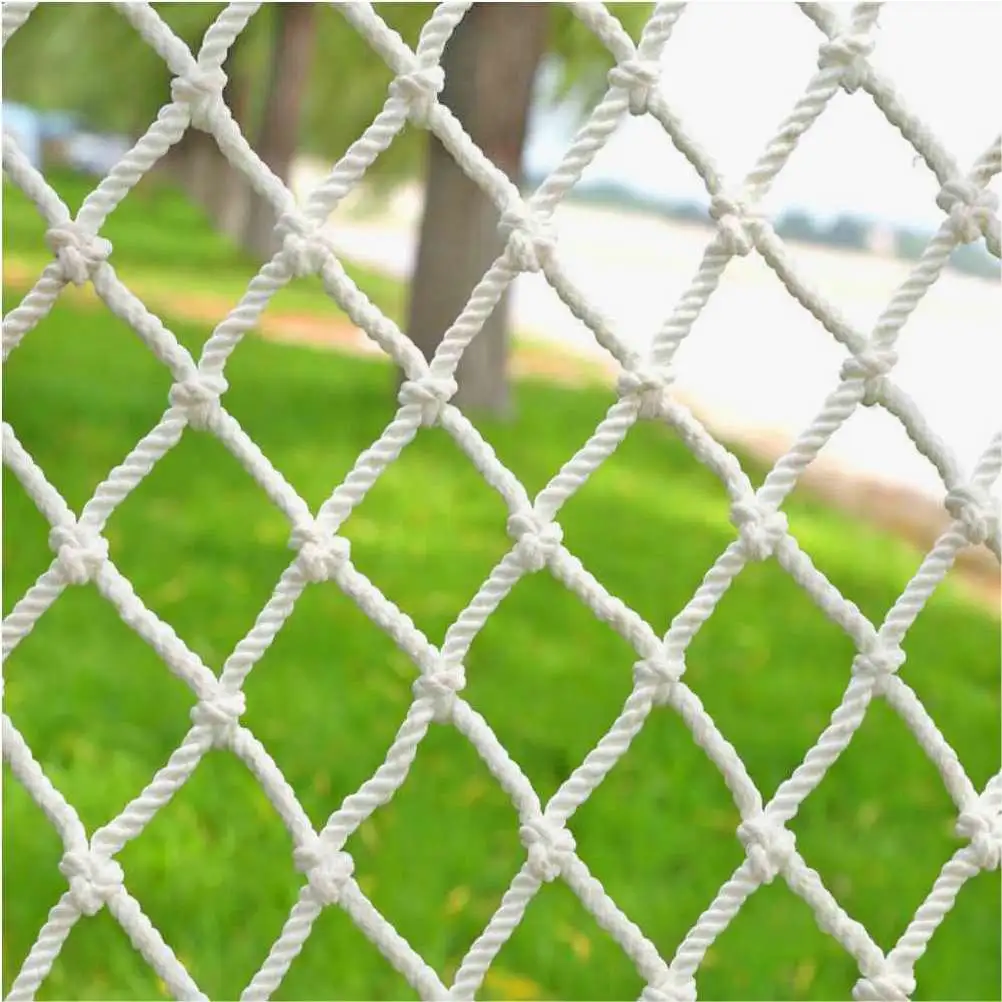
In terms of safety netting, compliance with rules and guidelines is essential to ensure worker safety on construction sites. Various organizations, including the Occupational Safety and Health Administration, establish guidelines that detail the use of safety netting in safety measures. OSHA specifies requirements for setup, maintenance, and performance criteria to ensure that safety nets effectively prevent falls. Builders must be familiar with these rules to prevent fines and provide a safe work environment.
In addition to OSHA standards, there may be additional local or state regulations that apply to safety netting. These rules can differ widely, making it crucial for builders to know the specific requirements in their region. Furthermore, industry guidelines such as the American National Standards Institute (ANSI) and the International Organization for Standardization (ISO) give further guidance on safety netting specifications and best practices. Adhering to these standards not only ensures compliance but also boosts overall safety on construction sites.
Regular compliance inspections and inspections are necessary to ensure that safety netting meets needed standards throughout its use. This includes checking for wear and tear, load capacity, and proper installation methods. By staying up-to-date with regulations and consistently assessing safety netting systems, builders can reduce risks and create a safer working environment for all employees on-site.